

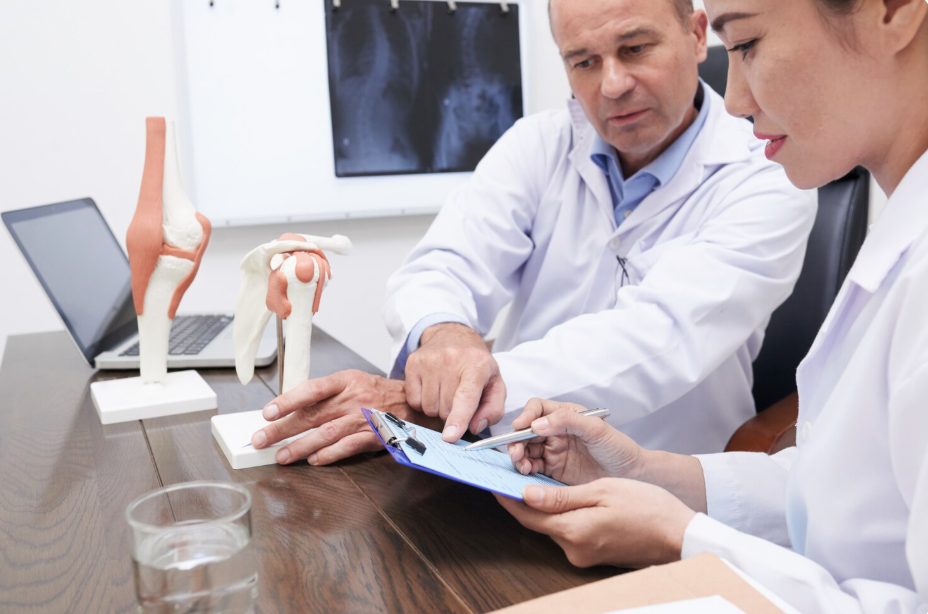
Bone health is often overlooked until a fracture happens, yet bone loss usually begins silently many years before any symptoms appear. Many adults assume weak bones are only a concern in old age, but doctors know that bone strength changes gradually across life. Questions about when to start bone density testing are common among women, men, and even younger adults with risk factors. This article explains how bone density changes with age, when doctors usually recommend testing, who may need it earlier, and why timely assessment matters.
Why Bone Density Matters More Than People Realize
Bones are living tissues that constantly rebuild and break down. During childhood and early adulthood, bone formation is faster than bone loss. Peak bone mass is usually reached by the late twenties or early thirties. After that, bone breakdown slowly begins to exceed formation.
Bone density refers to how strong and compact bones are. Lower bone density increases the risk of fractures, even from minor falls. These fractures can affect mobility, independence, and quality of life.
Bone density loss often occurs without pain or warning signs. This is why testing plays an important role in prevention rather than reaction.
What Bone Density Testing Measures
Bone density testing measures the amount of mineral content in bones. It helps doctors estimate bone strength and fracture risk.
The most commonly used test is a DEXA scan. This scan focuses on areas most likely to fracture, such as the hip and spine. It uses very low radiation and is considered safe.
The results help doctors decide whether bones are healthy, mildly weakened, or significantly fragile. Testing does not diagnose disease on its own but supports clinical decision making.
General Age Guidelines for Bone Density Testing
Doctors do not recommend bone density testing for everyone at the same age. Recommendations depend on gender, risk factors, and overall health.
In general medical practice:
- Women are often advised to start testing around menopause or later
- Men are usually assessed at an older age unless risk factors are present
These guidelines are based on how hormones affect bone health over time.
Estrogen plays a major role in maintaining bone density. After menopause, estrogen levels drop, accelerating bone loss. This is why women tend to experience bone density loss earlier than men.
When Women Are Commonly Advised to Start Testing
Many medical guidelines suggest bone density testing for women around the age of sixty five. However, this is not a strict rule.
Doctors may recommend earlier testing for women in their fifties if they have additional risk factors. These may include early menopause, family history of fractures, low body weight, or long term medication use that affects bones.
Testing earlier allows doctors to identify changes before fractures occur and guide preventive strategies.
When Men Are Commonly Advised to Start Testing
Men tend to lose bone density more slowly than women. For this reason, routine testing is often suggested later, around the age of seventy.
However, men with risk factors may be advised to test earlier. Bone fractures in men are associated with higher complication rates, making prevention important.
Men often underestimate their fracture risk, which can delay assessment and care.
Risk Factors That May Require Earlier Testing
Age alone is not the only factor doctors consider. Certain conditions and lifestyle factors can weaken bones earlier in life.
People may be advised to undergo bone density testing earlier if they have:
- A history of fractures after minor injuries
- Long term use of steroid medications
- Hormonal disorders
- Digestive conditions affecting nutrient absorption
- Chronic kidney or liver disease
- Low vitamin D levels
- Smoking or excessive alcohol use
Doctors assess the overall risk profile rather than relying on age alone.
Bone Density Testing in Younger Adults
Bone density testing is not common in young adults unless there is a specific concern. However, it may be recommended in selected cases.
Younger individuals with chronic illness, eating disorders, or prolonged immobility may experience bone loss earlier than expected.
Testing in these situations helps guide medical management and prevent long term complications.
How Doctors Decide the Right Time for Testing
Doctors consider multiple factors before recommending bone density testing. These include age, medical history, family history, medications, and lifestyle.
The decision is individualized. Two people of the same age may receive different recommendations based on their risk factors.
This personalized approach helps avoid unnecessary testing while ensuring high risk individuals are not missed.
What the Testing Process Is Like
Bone density testing is simple and non invasive. The scan usually takes a short time and does not require injections or sedation.
Patients lie on a table while the scanner measures bone density at specific sites. There is minimal discomfort.
No special preparation is usually needed, although patients may be advised to avoid calcium supplements on the day of the test.
How Often Bone Density Testing Is Repeated
Bone density changes slowly. For this reason, testing is not done every year for most people.
Doctors may recommend repeat testing every two to five years depending on initial results and risk level.
Frequent testing without medical indication does not provide additional benefit.
Bone Density Testing and Fracture Prevention
The main purpose of bone density testing is fracture prevention. Identifying low bone density allows doctors to recommend lifestyle changes, supplements, or further evaluation.
Preventive strategies may include improved nutrition, weight bearing exercise, fall prevention, and medical monitoring.
Testing supports early intervention rather than waiting for fractures to occur.
Cost and Availability in the UAE
In the UAE, bone density testing is widely available in hospitals and diagnostic centers. Access is generally straightforward, especially in urban areas.
Costs vary depending on facility and coverage area. Some insurance plans include bone density testing when medically indicated, while others may require self payment.
The availability of advanced imaging technology allows timely assessment for individuals at risk.
Emotional Concerns Around Bone Health Testing
Many people feel anxious about bone density results. Fear of aging or fractures can make testing emotionally difficult.
Doctors aim to reassure patients that bone density loss is manageable, especially when identified early.
Testing is a tool for planning, not a prediction of inevitable problems.
Common Misconceptions About Bone Density Testing
Some believe testing is only needed after a fracture. This is not true. Testing is most useful before fractures occur.
Others assume bone loss is unavoidable with age. While some loss is natural, lifestyle and medical care can slow progression.
There is also a misconception that bone density testing is painful or risky. In reality, it is safe and quick.
Supporting Bone Health Beyond Testing
Bone density testing is only one part of bone health care. Daily habits play a major role.
Adequate calcium intake, vitamin D, regular physical activity, and fall prevention strategies support bone strength.
Doctors may also review medications that affect bone health.
At facilities such as Eureka, bone density assessment is often combined with broader preventive health evaluation rather than used in isolation.
Frequently Asked Questions
Is bone density testing only for older adults?
No. While common in older adults, younger people with risk factors may need testing earlier.
Can men develop low bone density?
Yes. Men can experience bone loss and fractures, especially with certain medical conditions.
Does a normal result mean bones will stay strong forever?
No. Bone density can change over time, which is why follow up may be advised.
Is bone density testing safe?
Yes. It uses very low radiation and is considered safe for most people.
Can lifestyle changes improve bone density?
Lifestyle changes can support bone strength and reduce fracture risk.
Is bone density testing painful?
No. The test is non invasive and painless.
Do I need a referral for testing?
This depends on healthcare provider policies and insurance requirements.
How long does it take to get results?
Results are usually available within a short time after the scan.
Conclusion: Taking Bone Health Seriously at the Right Time
Bone density testing helps identify silent changes that can affect mobility and independence later in life. There is no single age that applies to everyone. Doctors recommend testing based on age, risk factors, and overall health rather than routine schedules alone. For many people, timely testing provides reassurance and guidance rather than bad news. In the UAE, access to bone density assessment allows individuals to take proactive steps toward long term bone health. Starting the conversation early supports stronger outcomes and informed choices over time.