

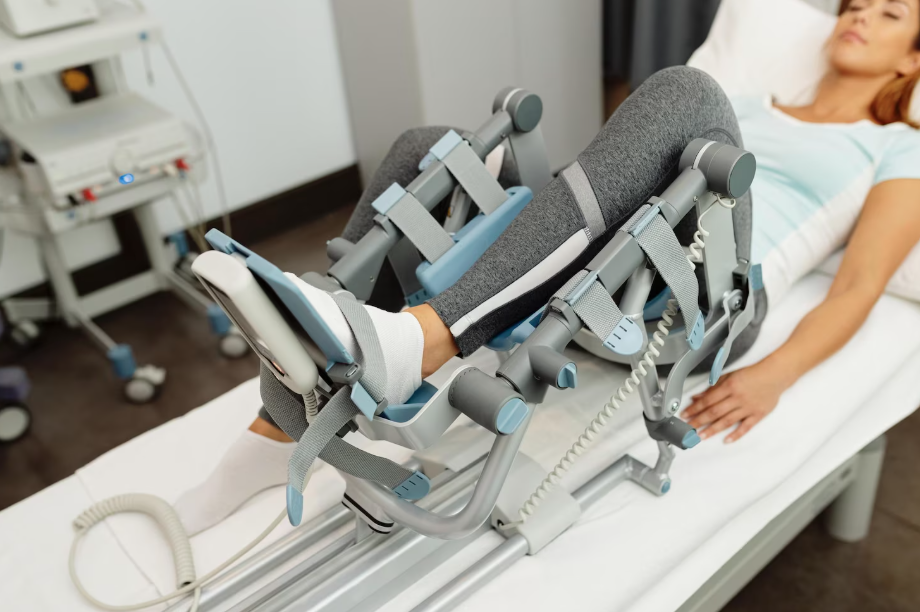
Choosing the right medical facility strongly influences mobility and independence. Many patients carefully research options before selecting a clinic for treatment. Skilled experts design prosthetic limbs that support daily movement and balance. Reliable prosthetic care services help individuals regain confidence after limb loss.
Experienced clinics guide patients through assessment and rehabilitation stages. Professional prosthetic specialists also provide adjustments and long-term support. When patients choose a clinic for prosthesis services carefully, they gain better comfort and improved mobility in daily activities.
Factors to Consider When Choosing a Clinic for Prosthesis
Selecting a clinic requires careful evaluation of expertise equipment and patient care quality. Prosthetic treatment involves medical knowledge engineering skills and rehabilitation support. A reliable prosthetic rehabilitation clinic helps individuals regain natural movement and maintain comfort during recovery.
Patients should compare several factors before selecting a prosthetic clinic for treatment. These factors help ensure accurate fitting and long-term prosthetic performance. A thoughtful decision improves recovery results and long-term independence.
Qualifications and Experience of Prosthetists
A reliable clinic should employ highly trained prosthetists. A skilled certified prosthetist understands limb anatomy and fitting techniques. Their experience allows accurate prosthetic design that supports balance and long-term mobility.
Range of Prosthetic Services Offered
Different patients require different prosthetic solutions and support services. A reliable clinic provides fitting maintenance and replacement options. Clinics offering diverse prosthetic limb services support patients during every recovery stage. Comprehensive prosthetic care solutions allow long-term treatment adjustments as patient needs change.
Use of Modern Prosthetic Technology
Technology has transformed prosthetic design and patient mobility outcomes. Computer design tools help create comfortable custom prosthetic sockets. Clinics using advanced prosthetic technology provide lighter, stronger modern prosthetic limbs for improved movement.
Personalized Patient Care and Support
Every patient experiences different mobility goals and recovery challenges. Reputable clinics provide guidance during prosthetic training and adaptation. Specialists teach balance walking and posture techniques carefully.
Clinic Reputation and Patient Reviews
Clinic reputation often reflects service quality and prosthetic success. Patients frequently read reviews before selecting treatment providers. Positive testimonials indicate reliable care and professional support. Clinics with strong reviews often become trusted prosthetic providers within their communities.
Consultation and Assessment Process
A professional clinic begins treatment with a detailed patient consultation. Specialists evaluate limb condition, health history and mobility goals. Measurements and movement analysis follow during the assessment stage. A thorough prosthetic consultation combined with a proper prosthetic assessment process ensures accurate prosthetic fitting.
Follow-Up Care and Adjustments
Prosthetic limbs often require adjustments as the body changes. Regular follow-up visits ensure comfort alignment and proper prosthetic performance. Specialists modify socket straps and alignment when needed. Reliable prosthetic follow-up care and regular prosthetic adjustments help maintain mobility and comfort.
Insurance and Payment Options
Prosthetic treatment may involve significant medical expenses for patients. Reliable clinics guide patients through insurance coverage and documentation. Financial support staff explain treatment pricing clearly. Clinics supporting prosthetic insurance coverage and explaining prosthetic treatment costs help patients plan care effectively.
Location and Accessibility
Prosthetic rehabilitation often requires multiple visits for adjustments and monitoring. A nearby clinic supports consistent follow-up care and rehabilitation. Facilities designed as accessible care centers improve patient comfort.
Conclusion
Choosing the right clinic plays an important role in prosthetic success. Patients should review the experience of technology services and patient support carefully. A trusted clinic offers expert guidance throughout treatment and rehabilitation. Skilled prosthetic specialists design limbs that improve balance and mobility.
Reliable clinics also provide adjustments, follow-up care and rehabilitation programs. Strong reputation and patient support improve treatment outcomes. When individuals carefully choose a clinic, they achieve better mobility and long-term independence.